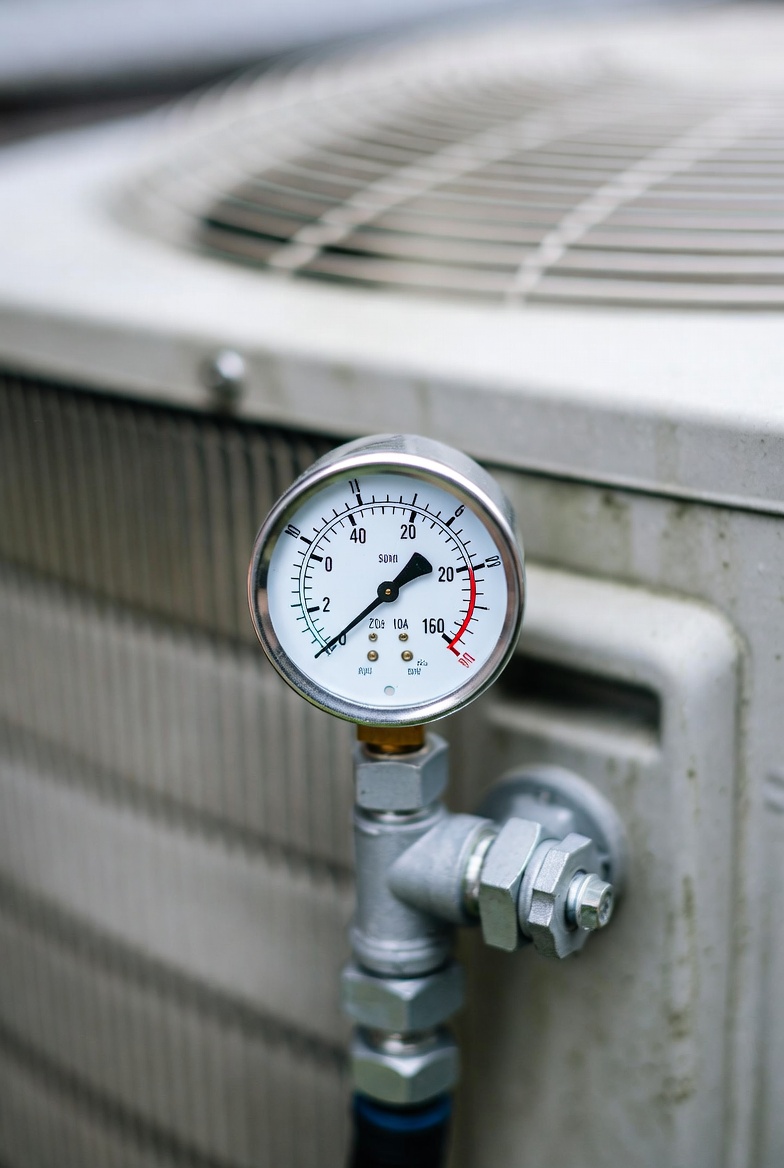
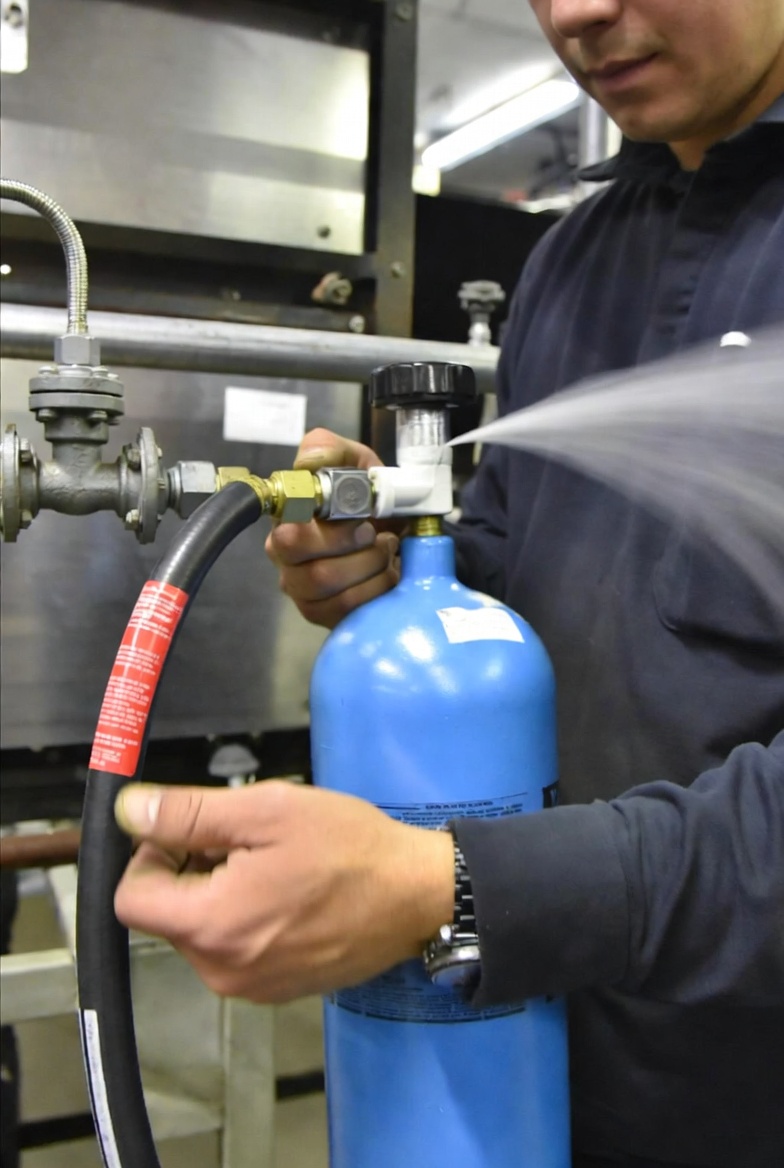
In the scorching summer, air conditioners are our saviors. But you might have heard that the refrigerants (commonly known as "coolant") used in ACs today are different from before. From early R22 to later R410A, and now the mainstream R32, the evolution of refrigerants is not just about environmental protection; it directly impacts your electricity bill and maintenance costs.
Today, Freonline will take you on a deep dive into the secrets behind refrigerants.
1. Why Are Refrigerants Constantly Being Upgraded?
Early refrigerants (like R22) contained chlorine, which would deplete the ozone layer when released into the atmosphere. With the advancement of global environmental protocols (such as the Montreal Protocol), the industry has undergone two major transformations:
First Transition: R22 was replaced by R410A. While R410A doesn't deplete the ozone layer, its Global Warming Potential (GWP) remained high.
Current Mainstream: R32 is now being widely adopted. Compared to R410A, R32's GWP is reduced by approximately 67%, and it offers higher heat exchange efficiency.
2. R32 vs R410A: Which One Saves You More Money?
If you're considering buying a new air conditioner, R32 is usually the better choice.
Higher Energy Efficiency: R32 systems are about 10% more efficient than R410A, meaning lower electricity bills for the same cooling effect.
Reduced Charge Volume: For the same unit, the R32 charge volume is only about 70% of R410A.
Future Maintenance Costs: As R410A gradually faces production restrictions, its price will increase year by year. Choosing an R32 model now can help you avoid facing "expensive refrigerant refills" in the coming years.